A lot of creatives find themselves with extra time in the summer. Larger corporate client folk are often taking vacations, so projects sit or get pushed; or, smaller businesses are also slow so they are sitting on their wallets rather than increasing their marketing outreach. Doesn’t matter your discipline (illustration, writing, photography, etc.), the summer can mean less work and more time on your hands. The only creatives who are usually more busy in the summer are wedding photographers but, with the economy where it is, even they may be slower.
So, here are some ideas about what to do when it’s slow:
Do personal work.
Preferably old-school, analogue. Play with it but also push yourself to do your work without all the digital tools you (may) usually use. Force the brain to think differently. This process will remind your little grey cells how to think creatively! We learn by limiting our options, not by having more. Restraint, limits, obstacles, these all make for better creative thinking. It will improve your usual workflow a ton. Plus, it’s just fun (if you let it be so).
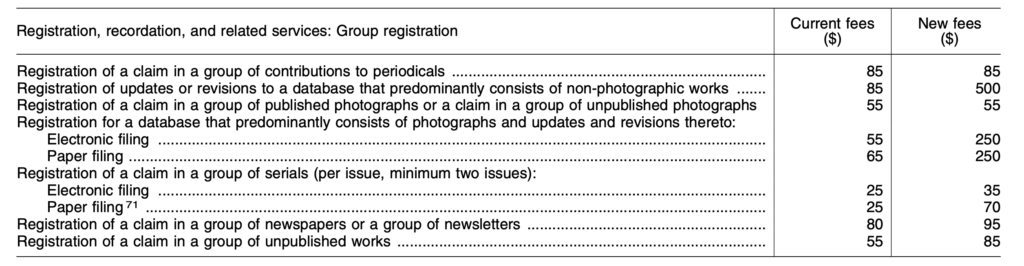
Register your copyrights in your “greatest hits” works, if you haven’t already.
If you know that you have certain works which you keep seeing used without your permission, and you haven’t registered the copyrights for those, it’s not too late. Any infringement that starts1 after your effective date of registration (which is almost always the date you submit your application) will be eligible for the enhanced remedies of statutory damages and potentially attorney’s fees. Also, if you’ve been registering your copyrights more regularly lately, register the copyrights in older work. In other words, catch up a bit.
Look for infringements and go after infringers.
Even if you haven’t registered your work, it may be worth your time to go after some infringers2. This is particularly so if you watermark your work or post it with a credit line adjacent and the infringer removes that! If your watermark/credit line identifies you, it’s Copyright Management Information (CMI) and the removal of that is a violation that carries statutory damages and attorney’s fees, on top of the damages for the infringement.
Add proper copyright notices to each of your works you publish.
Got time on your hands? Fix this on your website. A proper copyright notice is © + year of first publication + your name (like ©2026 Leslie Burns). This works as CMI and it has an additional legal benefit of barring an infringer from claiming “innocent infringement.”
Speaking of websites, if you don’t have one now is the time to get/make one.
Get your work off the corporate sites: Meta (FB, Insta), Pinterest, etc., they are all ripping you off every moment your work is there3. They are “training” their AI (i.e., stealing) on your work, selling ads that gets eyeballs from your work, exploiting the shit out of you and your work. You want to keep using those “tools” for marketing? Keep your work on your own site and post links on those sites.
Take a vacation.
And do not answer your phone, check your email, etc. I can’t tell you how often I’ve seen it happen that someone is dead slow so they take a long weekend or a week off and the phone rings with new work. It’ll be there when you get back. Even if that doesn’t happen, a break is good for your brain. Do it.
___________________________
- That is, when the use actually starts, not when you find the use. ↩︎
- I’ll be happy to review any potential matter for free, to see if I can help and if I can do it on a contingency fee. Just use this form to submit your matter. ↩︎
- They are also supporting the current fascist regime in the USA (and abroad); do you really want to be a part of that? ↩︎